Why Lorain Basements Face a Double Threat from Lake-Effect Snow and Spring Thaw
Living along the Lake Erie shoreline means dealing with weather that can change drastically from one day to the next. Lake-effect snow can dump several feet of snow on Lorain in a matter of hours, and when that snow finally melts in the spring, all of that water has to go somewhere. For homeowners, that somewhere is often the basement. The combination of rapid snowmelt and saturated soil creates ideal conditions for basement leaks, seepage, and even full-blown flooding.
The problem is not just the volume of water. It is also the speed at which it arrives. A sudden warm spell after a heavy lake-effect snow event can send meltwater rushing toward your foundation before the ground has a chance to absorb it. If your home's drainage system is not up to the task, water will find the path of least resistance, and that path frequently leads straight into your basement. Understanding this seasonal cycle is the first step toward protecting your home.
How Snowmelt and Spring Thaw Lead to Basement Leaks
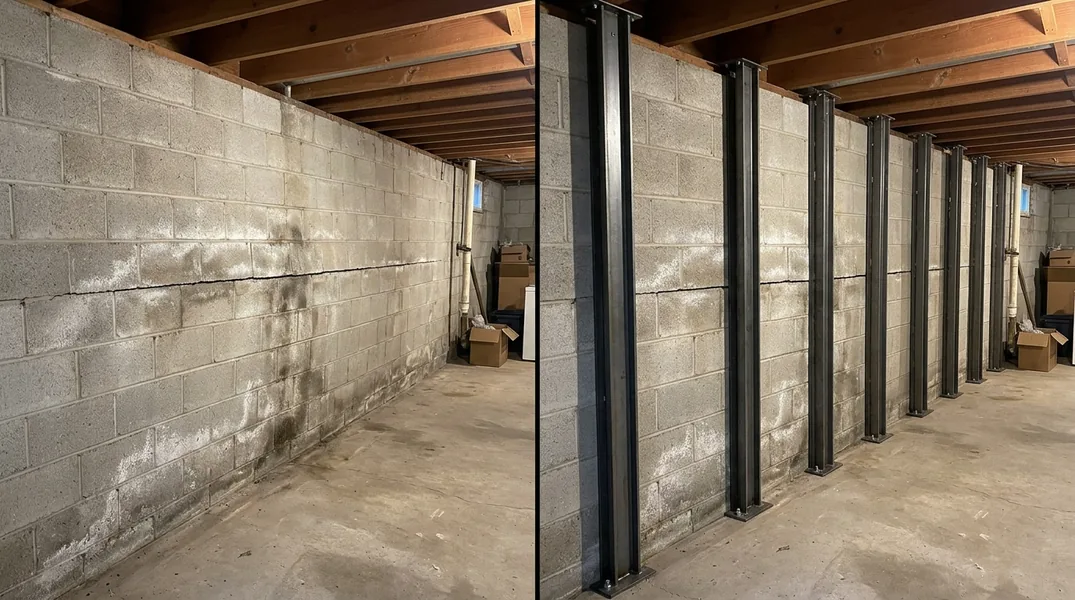
When snow accumulates against your foundation and then melts, the water saturates the soil around your home. That saturated soil exerts hydrostatic pressure against your basement walls. Over time, even small cracks in the foundation can widen, and water can seep through mortar joints, window wells, and the cove joint where the floor meets the wall. This is why so many homeowners in the area notice dampness, efflorescence (that white powdery residue), or actual water intrusion every spring.
Another common issue is poor grading. If the ground around your home slopes toward the foundation instead of away from it, meltwater will pool against the walls rather than draining away. Downspouts that discharge too close to the house make the problem worse. In many cases, a combination of Foundation Waterproofing and improved drainage is needed to keep the basement dry. Homeowners in nearby Elyria face similar challenges, which is why local expertise matters when diagnosing the source of the problem.
Flood Prevention Starts Before the Melt: Steps You Can Take Now
The best time to protect your basement is before the snow starts melting. Start by clearing snow away from your foundation and window wells, especially if drifts have piled up against the house. Make sure your gutters are clean and that downspouts extend at least six to eight feet away from the foundation. Check the grading around your home and add soil if needed to create a positive slope. These simple steps can significantly reduce the amount of water that reaches your basement walls.
It is also worth inspecting your basement for existing signs of trouble. Look for cracks in the walls or floor, damp spots, musty odors, or peeling paint. If you have a sump pump, test it before the spring thaw to make sure it is working properly and has a backup power source. A failed sump pump during a heavy melt event can lead to a Basement Waterproofing emergency and expensive flooded basement cleanup. If you are unsure whether your home is ready, a professional inspection can give you peace of mind.
Basement Waterproofing Near Me: When to Call a Lorain Professional
Some basement moisture problems are minor and can be managed with landscaping and maintenance. Others require a more permanent solution. If you have experienced repeated leaks, standing water, or structural cracks that seem to be getting worse, it is time to call a professional. A local contractor can assess your foundation, identify the source of the water, and recommend the right fix, whether that is an Interior Drain Tile System, exterior waterproofing, or a combination of both.
Interior drain tile systems are popular because they capture water before it reaches your living space and direct it to a sump pump. Exterior Basement Waterproofing addresses the problem from the outside by sealing the foundation and improving drainage away from the home. The right choice depends on your specific situation, and a reputable contractor will explain the options clearly. Homeowners in Sheffield Lake and Sheffield Village can also benefit from a local assessment tailored to their soil and drainage conditions.
Flooded Basement Cleanup: What to Do When Water Gets In
If water has already entered your basement, act quickly to minimize damage. Safety comes first: do not enter a flooded basement if there is any risk of electrical shock. Turn off the power if it is safe to do so, and call a professional if the water is deep or contaminated. Once it is safe, remove standing water with a pump or wet vac, and start drying the space with fans and dehumidifiers. Mold can begin to grow within 24 to 48 hours, so fast action is critical.
After cleanup, it is important to address the underlying cause so the problem does not happen again. A flooded basement cleanup without waterproofing is just a temporary fix. A professional can help you understand what went wrong and recommend a permanent solution. Whether you need foundation repairs, drainage improvements, or a full waterproofing system, getting the right help now can save you from repeating the cycle next spring. For pricing and options, reach out to a local expert who knows the area's unique challenges.
Protect Your Lorain Home Before the Next Thaw
Lake-effect snow and spring melt are facts of life in Lorain, but a flooded basement does not have to be. By taking preventive steps now and addressing any existing vulnerabilities, you can protect your home and your peace of mind. If you have questions or want a professional assessment, Lorain Waterproofing is here to help. Call (440) 616-7709 or request a free estimate today. Do not wait for the next melt to find out whether your basement is ready.
Looking for a professional basement waterproofing contractor in Lorain? Lorain Waterproofing responds fast for all your basement waterproofing needs.
Get a Free QuoteOur services: Basement Waterproofing · Interior Drain Tile System · Exterior Basement Waterproofing